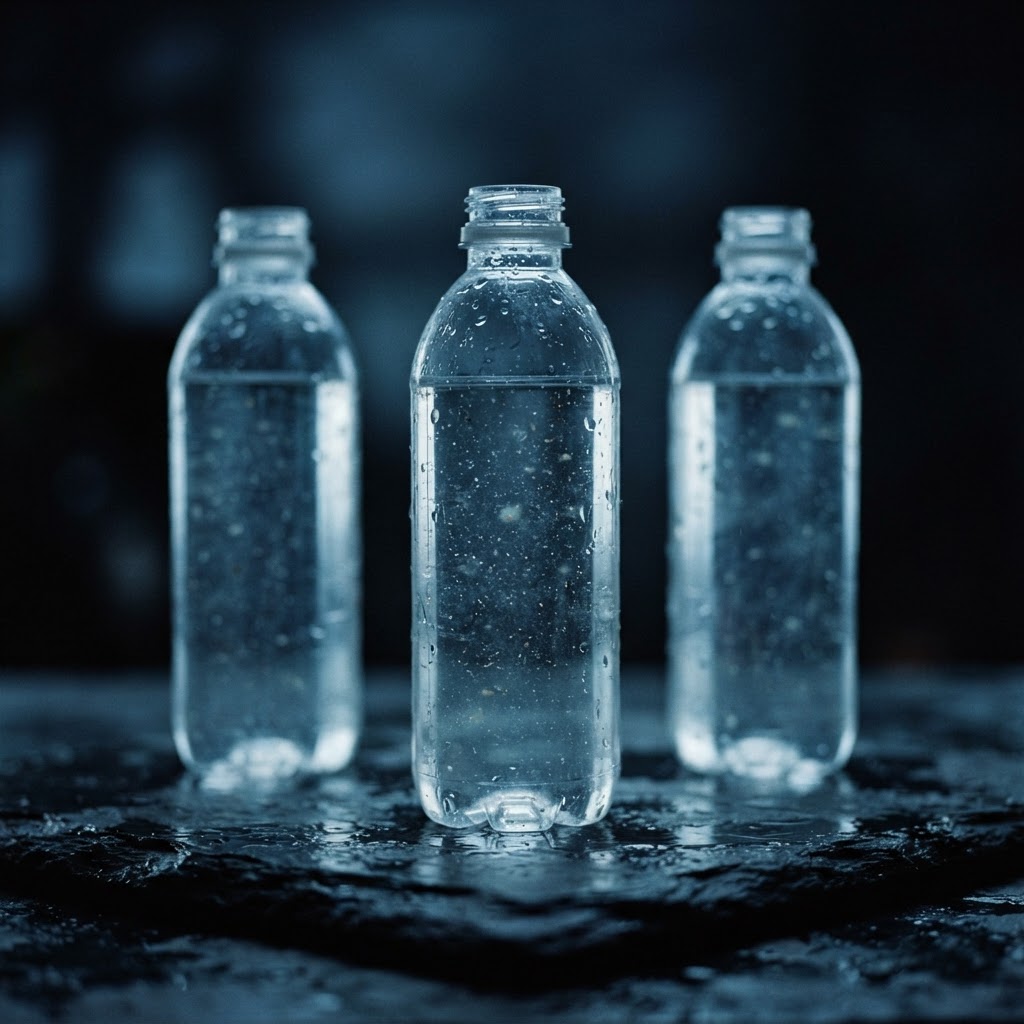
How Plastic Leaches When Heated and Its Impact on Your Health
Plastic containers have become so embedded in modern life that most of us barely notice them — but what happens inside those containers when they are exposed to heat is something we urgently need to understand. Every time you microwave a meal in a plastic tray, pour a hot coffee into a foam cup, or leave a water bottle baking on a car seat in summer, you are triggering a cascade of chemical migration that ends up inside your body. After years of research and working closely with clients on detoxification, the evidence is clear: heating plastic is one of the most consistent and avoidable sources of toxic exposure in everyday life.
The Science of Chemical Leaching
Leaching is the process by which chemicals migrate out of plastic and into the food, beverages, or environment they come into contact with. This happens at room temperature to some degree, but heat is the primary catalyst — and the effect is dramatic. Research shows that leaching begins in a measurable way at around 40°C (104°F), accelerates substantially at 70°C (158°F), and increases dramatically at boiling point. The type of plastic matters too, as does the age of the container, how long food is in contact with it, and whether the food is fatty, acidic, or alcoholic — all of which draw chemicals out more aggressively. A degraded or scratched plastic container will leach far more than a new one, which means those well-used food boxes and battered water bottles sitting in your cupboard are among the worst offenders.
Bisphenol A (BPA): The Synthetic Oestrogen in Your Kitchen
BPA is perhaps the most extensively studied plastic chemical, and the findings are deeply concerning. It is a synthetic oestrogen used to make polycarbonate plastics and the epoxy resin linings found inside food tins and bottle caps. It is present in older water bottles, many food storage containers, and thermal receipt paper. A landmark study by Le et al. (2008) found that boiling water in polycarbonate bottles increased BPA leaching by up to 55 times compared to room temperature — a finding that should give every household pause before they next reheat a plastic container.
The health effects of BPA are wide-ranging and well-documented. On reproductive health, Li et al. (2011), writing in Fertility & Sterility, found reduced sperm quality and concentration in men with higher BPA exposure, while Mínguez-Alarcón et al. (2015) linked it to increased time to pregnancy in women. Metabolically, Shankar and Teppala (2011) in PLOS ONE associated BPA exposure with a higher risk of type 2 diabetes, and Trasande et al. (2012) in JAMA demonstrated a link to obesity and disrupted insulin regulation. The cardiovascular connections are equally troubling — Lang et al. (2008), also in JAMA, identified correlations with heart disease, and Shankar et al. (2012) found associations with hypertension. In children, Harley et al. (2013) documented links to anxiety and depression, and Braun et al. (2011), published in Pediatrics, found measurable behavioural problems tied to prenatal BPA exposure. On cancer risk, Lapensee et al. (2009) demonstrated BPA's ability to stimulate breast cancer cell proliferation, and Prins et al. (2014) identified links to prostate cancer development.
Phthalates: The Hidden Plasticisers
Phthalates are a family of chemicals added to plastic to make it soft and flexible. They are found in PVC cling film, flexible food containers, some plastic bottles, and a wide range of food packaging. Like BPA, they are endocrine disruptors — but their particular target is androgenic hormones, meaning they suppress testosterone and interfere with the male reproductive system in ways that are especially significant during foetal development and childhood.
Swan et al. (2005) published findings showing that prenatal phthalate exposure was associated with measurable abnormalities in genital development in baby boys. Whyatt et al. (2012) linked prenatal exposure to reduced IQ in children, while Trasande et al. (2013) calculated that the health costs of phthalate exposure amounted to €1.5 billion annually across the EU alone. Temperature makes this considerably worse. Research by Cao (2010), published in Environmental Health Perspectives, found that heating plastic food containers increases phthalate migration by 30 to 60 percent — a significant uplift from a very simple and everyday action.
Styrene and Antimony: Two More Reasons to Ditch the Disposables
Polystyrene foam — the material used for takeaway containers, disposable cups and plates, and much food packaging — releases styrene when heated. The International Agency for Research on Cancer classifies styrene as possibly carcinogenic to humans, and research by Mutti et al. (1984) documented its neurotoxic effects, with additional evidence pointing to reproductive toxicity and respiratory irritation. Styrene leaching increases exponentially with temperature, making hot beverages or microwaved food in polystyrene containers particularly high-risk. Garrison (1997) specifically found significant styrene migration from polystyrene containers used in microwave heating.
Antimony is a different kind of threat — a heavy metal used as a catalyst in the production of PET plastic, the clear plastic used for most single-use water bottles. Research by Shotyk and Krachler (2007) found that antimony levels in bottled water increase with both storage time and temperature, and can exceed WHO guidelines after prolonged exposure to heat. This is particularly relevant for water bottles left in cars, where temperatures can reach 65°C (150°F) or higher on a warm day — conditions that create a slow, invisible contamination of the water you then drink.
Microplastics: The Invisible Contamination
Beyond the specific chemicals leaching from plastic, heat also accelerates the physical breakdown of plastic into microplastic particles — fragments so small they are invisible to the naked eye but measurable in human tissue. Cox et al. (2019) estimated that humans ingest between 74,000 and 121,000 microplastic particles annually, while Schwabl et al. (2019) confirmed the presence of microplastics in human stool samples. In 2022, researchers detected microplastics in human blood for the first time — a milestone that shifted this issue from environmental concern to direct human health emergency.
One of the most alarming applications is baby bottles. Li et al. (2020) found that when polypropylene baby bottles were used to prepare formula at standard temperatures, they released up to 16 million microplastic particles per litre — directly into the feed of the most vulnerable members of our households. The health implications of microplastic ingestion are still being investigated, but current evidence points to inflammation, oxidative stress, and cellular damage as key concerns.
Everyday Situations You Might Not Have Considered
The scenarios in which plastic is heated are far more numerous than most people realise. The obvious one is the microwave — but even dishwasher cycles, which reach high temperatures during both the wash and drying phases, degrade plastic containers, releasing chemicals and creating microplastic particles. Vilarinho et al. (2019) detected phthalates and other plasticisers in hot beverages served in disposable plastic-lined cups — a finding relevant to every coffee shop visit. Heating frozen meals in their plastic trays combines multiple risk factors: high temperature, fatty food content, and repeated heating cycles, all of which maximise chemical migration.
The "BPA-free" labelling that now appears on many products has given consumers a false sense of security. When BPA was identified as dangerous, manufacturers replaced it with bisphenol S (BPS), bisphenol F (BPF), and bisphenol B (BPB). Rochester and Bolden (2015) found that BPS has similar hormonal activity to BPA. Eladak et al. (2015) demonstrated that BPS disrupts reproductive hormones, and Chen et al. (2016) showed BPF carries comparable toxicity. These are not safer alternatives — they are chemical substitutions made with inadequate testing and a marketing strategy that relied on public unfamiliarity with the new names.
The Cumulative Toxic Burden
Perhaps the most important concept to understand is cumulative exposure. Consider a typical day: a morning coffee in a disposable cup with a plastic lid, lunch reheated in a plastic container, water from a plastic bottle that sat in a warm bag, dinner from a takeaway plastic tray. Each individual exposure may seem small, but the combined effect — day after day, year after year — represents a continuous low-level ingestion of endocrine-disrupting chemicals that accumulate in body tissues over time. When multiple chemicals are present simultaneously, they do not simply add together. Research points to synergistic effects — combinations that are more toxic than individual components would suggest, and which remain poorly understood by science precisely because they are so difficult to study.
Safe Alternatives That Work in Real Life
The solution is not complicated — it is simply a matter of replacing plastic with inert materials wherever heat is involved. Glass is the gold standard: completely inert, dishwasher safe, recyclable, and absolutely reliable for both storage and reheating. Stainless steel (specifically 18/8 or 18/10 grades) is ideal for water bottles, travel mugs, and lunch containers — durable, lightweight, and it does not retain odours or leach chemicals. Ceramic and porcelain are excellent for oven and microwave use, and food-grade silicone (platinum-cured) works well for baking mats, ice trays, and flexible lids. Beeswax wraps are a natural, reusable alternative to cling film for covering food.
The transition does not need to happen all at once. Begin by eliminating the heating of plastic immediately — this single step removes the highest category of risk. Transfer food to glass or ceramic before microwaving, and stop putting plastic in the dishwasher. From there, replace your daily-use water bottle, travel mug, and lunch containers. Over time, clear out the plastic food storage in your kitchen entirely and replace it with glass. The investment is modest, and the reduction in daily toxic load is substantial.
Practical Steps to Reduce Your Exposure
Never microwave food or drinks in plastic, even if the container is labelled microwave-safe. Do not put plastic containers through the dishwasher. Never leave plastic water bottles in a hot car. Avoid polystyrene takeaway containers, especially for hot food. Be cautious with plastic-lined coffee cups, and where possible bring your own travel mug. Replace scratched or discoloured plastic containers immediately — degraded plastic leaches far more than new. Breastfeed where possible, and if using formula, use glass or stainless steel bottles rather than polypropylene. Filter your drinking water and store it in glass or stainless steel.
Your Health Is Worth the Switch
The science is no longer ambiguous. Heated plastic leaches a cocktail of chemicals — BPA and its bisphenol cousins, phthalates, styrene, antimony, and microplastics — each with documented effects on hormones, reproduction, metabolism, neurological function, cardiovascular health, and cancer risk. These are not theoretical risks. They are backed by decades of peer-reviewed research and measurable in human tissue right now.
The good news is that reducing exposure is entirely within your control. Unlike air pollution or water contamination that requires systemic change, the plastics in your kitchen can be replaced this week. Your body has a remarkable ability to detoxify and recover when the burden of exposure is reduced. Start with heat — because that is where the chemistry becomes most dangerous — and build from there. Every substitution you make is a meaningful step towards a cleaner, healthier life.