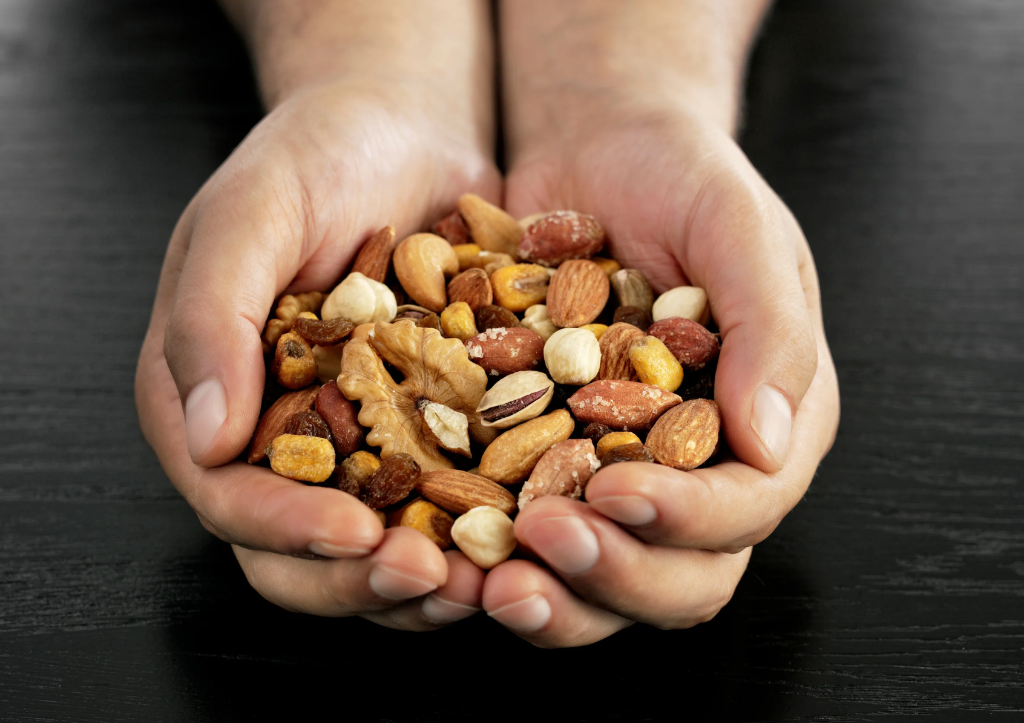
Why Nuts Are Nutritional Powerhouses
Despite their small size and past reputation as "high-fat," nuts are among the most nutrient-dense foods available. Modern research consistently shows daily nut consumption dramatically reduces disease risk and extends lifespan.
Heart Health Protection
Nuts are exceptionally rich in monounsaturated and polyunsaturated fats that actively lower LDL ("bad") cholesterol while raising beneficial HDL cholesterol, creating an optimal lipid profile for cardiovascular health. The unique combination of healthy fats, plant sterols, L-arginine (an amino acid that improves blood vessel elasticity), and fiber work synergistically to protect against atherosclerosis and coronary artery disease. Studies show people who eat nuts 5+ times weekly have a 29% reduced risk of heart disease and significantly lower markers of inflammation like C-reactive protein. Walnuts specifically contain alpha-linolenic acid (ALA), a plant-based omega-3 fatty acid that reduces inflammation, improves blood vessel function, and has been shown to reduce arterial stiffness.
A comprehensive meta-analysis published in BMC Medicine (2016) by Aune et al. examined data from 20 prospective studies involving 819,448 participants and found that consuming just 28 grams (one ounce) of nuts daily was associated with a 29% reduction in coronary heart disease risk, a 21% reduction in cardiovascular disease risk, and a 15% reduction in cancer mortality. The dose-response analysis revealed that these benefits plateaued at approximately 1 ounce per day, suggesting this as the optimal daily intake. The study also found that different types of nuts provided similar cardiovascular benefits, indicating that the overall nutrient profile—rather than specific nut varieties—drives the protective effects. Most remarkably, the cardiovascular benefits were observed regardless of other dietary patterns, suggesting nuts provide independent protective effects even in the context of less-than-ideal overall diets.
Brain Boosting Benefits
The healthy fats in nuts—particularly omega-3 fatty acids, monounsaturated fats, and vitamin E—support brain cell membrane integrity, which is crucial for neurotransmitter function, synaptic plasticity, and optimal cognitive performance. These fats maintain the structural integrity of myelin (the protective coating around nerve fibers) and enhance communication between neurons. Walnuts even resemble a tiny brain—nature's visual hint at their profound neurological benefits. Research consistently links nut consumption to improved memory, processing speed, reduced cognitive decline, and lower Alzheimer's disease risk. Nuts also provide polyphenols and antioxidants that cross the blood-brain barrier and reduce oxidative stress in neural tissue.
Groundbreaking research published in The Journal of Nutrition, Health and Aging (2014) by Pribis and Shukitt-Hale demonstrated that walnut consumption specifically improves cognitive function across multiple domains. The randomized controlled trial involved young adults consuming 60 grams of walnuts daily for 8 weeks, with cognitive testing before and after the intervention. Results showed significant improvements in inferential reasoning (21% improvement) and working memory performance compared to the control group. Brain imaging studies have further revealed that regular nut consumption is associated with increased hippocampal volume (the brain region critical for memory formation) and enhanced connectivity between brain regions. The researchers attributed these effects to walnuts' unique combination of omega-3 fatty acids, polyphenolic compounds, and vitamin E, which collectively reduce neuroinflammation and promote neurogenesis (the formation of new brain cells).
Blood Sugar Control
Despite being calorie-dense, nuts actually improve blood sugar regulation and insulin sensitivity through multiple mechanisms. Their powerful combination of protein, healthy fats, and fiber slows glucose absorption in the digestive tract, preventing the rapid blood sugar spikes and subsequent crashes that promote insulin resistance. Nuts also contain magnesium, a mineral essential for insulin signaling and glucose metabolism—many people with type 2 diabetes are magnesium deficient. Studies show almonds specifically reduce post-meal blood sugar rises by up to 30%, while also lowering hemoglobin A1c (a marker of long-term blood sugar control) when consumed regularly.
A landmark study published in Diabetes Care (2011) by Jenkins et al. at the University of Toronto demonstrated that daily nut consumption significantly improves glycemic control in people with type 2 diabetes. The randomized controlled trial assigned 117 diabetic participants to either consume 2 ounces of mixed nuts daily or follow a healthy muffin diet (control group) for 3 months. The nut group experienced a significant reduction in hemoglobin A1c (a marker of average blood sugar over 3 months) by 0.21%, reduced LDL cholesterol by 5%, and showed improved blood vessel function. Most importantly, despite nuts being calorie-dense, participants did not experience weight gain, as the satiety-promoting effects of nuts led to natural calorie compensation at other meals. The study concluded that nuts should be recommended as part of diabetes management strategies, particularly for cardiovascular risk reduction in this high-risk population.
Longevity Connection
The landmark Nurses' Health Study and Health Professionals Follow-up Study, two of the largest and longest-running nutritional epidemiological studies ever conducted, tracked over 200,000 people for up to 30 years. The researchers found that individuals eating nuts daily had a 20% lower all-cause mortality rate compared to those who rarely or never consumed nuts. The protective effects were dose-dependent: eating nuts 7+ times weekly provided greater benefits than 2-4 times weekly. Nuts combat the major causes of premature death—heart disease, cancer, respiratory disease, and diabetes—through their anti-inflammatory properties, antioxidant content, and ability to improve metabolic health markers.
Comprehensive research published in The New England Journal of Medicine (2013) by Bao et al. from Harvard School of Public Health analyzed data from 76,464 women and 42,498 men over approximately 30 years of follow-up. The study found that participants who ate nuts seven or more times per week had a 20% lower death rate compared to those who didn't eat nuts. The mortality benefits extended across all major causes of death: 29% reduction in heart disease mortality, 24% reduction in respiratory disease mortality, and 11% reduction in cancer mortality. Remarkably, this inverse association between nut consumption and mortality was independent of other lifestyle and dietary factors including body mass index, physical activity, smoking, and alcohol consumption. The researchers calculated that replacing one serving of red meat, processed meat, or refined grains with nuts resulted in measurably lower mortality risk, suggesting nuts as a longevity-promoting food swap.
Nutrient Density
Nuts provide an extraordinary concentration of essential nutrients in a small package. They're rich in vitamin E (a powerful fat-soluble antioxidant that protects cell membranes from oxidative damage), magnesium (which supports over 300 enzymatic reactions including energy production, nerve function, and muscle contraction), selenium (critical for thyroid hormone production and immune function), and plant sterols (compounds that compete with cholesterol for absorption in the gut, effectively lowering blood cholesterol levels). Nuts also provide B-vitamins, copper, zinc, manganese, and potassium. Brazil nuts are particularly remarkable, containing more selenium than any other food—just two Brazil nuts daily provide your entire daily selenium requirement, supporting thyroid health and providing potent antioxidant protection.
A comprehensive nutritional analysis published in Nutrients (2017) by Ros documented the exceptional nutrient density of tree nuts and peanuts across multiple micronutrients. The study revealed that a single one-ounce serving of mixed nuts provides: 20-40% of the daily value for magnesium, 15-25% for vitamin E, 10-15% for folate, and significant amounts of copper, manganese, and phosphorus. The research highlighted that nuts are among the few foods that provide meaningful amounts of both fat-soluble vitamins (E and K) and water-soluble vitamins (B-complex), along with beneficial phytochemicals like polyphenols and phytosterols. The study also noted that the nutrient bioavailability from nuts is high—meaning your body can effectively absorb and utilize these nutrients—making nuts more nutrient-efficient than many other plant foods. This exceptional nutrient density explains why regular nut consumption is associated with improved diet quality scores in population studies.
Which Nuts Are Best?
All nuts offer substantial health benefits, but certain varieties excel in specific nutrients and compounds. Standouts include: Walnuts for omega-3 fatty acids (highest plant source of ALA), polyphenols, and brain health; Almonds for vitamin E (7.3mg per ounce, nearly 50% of daily needs), calcium, and blood sugar control; Brazil nuts for selenium (one nut provides 175% of daily selenium needs); Pistachios for eye health due to lutein and zeaxanthin content, plus the highest levels of potassium among nuts; Cashews for zinc and iron; Pecans for antioxidants (highest antioxidant capacity among nuts); and Macadamia nuts for monounsaturated fats and heart health. The optimal strategy is rotating different nuts to capture the full spectrum of benefits.
Research published in Nutrients (2018) by Ros and Hu provided a comprehensive comparison of nut varieties and their health effects, concluding that while all nuts share a core beneficial nutrient profile (healthy fats, protein, fiber, minerals, and bioactive compounds), specific nuts offer unique advantages for targeted health goals. For example, their analysis found walnuts superior for inflammatory marker reduction and cognitive function due to high omega-3 and polyphenol content; almonds optimal for weight management and glycemic control due to their protein-fiber-magnesium combination; and Brazil nuts unmatched for selenium-dependent antioxidant support. The researchers emphasized that variety is key, as different nuts provide complementary phytochemicals and nutrients that work synergistically when consumed together.
How to Eat Them
Aim for 1-2 ounces (roughly a handful or 28-56 grams) daily for optimal health benefits without excess calories. Choose raw or dry-roasted nuts over oil-roasted varieties to avoid oxidized fats and added sodium, which can negate some health benefits. Consider soaking nuts overnight in filtered water (then draining and drying) to reduce phytic acid, an anti-nutrient that can bind minerals and reduce their absorption—soaking enhances mineral bioavailability by up to 20%. Store nuts in airtight containers in the refrigerator or freezer to prevent rancidity, as their healthy unsaturated fats can oxidize when exposed to heat, light, and air, creating harmful compounds. Add nuts to smoothies, oatmeal, salads, or eat them as standalone snacks between meals for sustained energy and satiety.
Conclusion: The Essential Case for Daily Nut Consumption and Why Organic Matters
The scientific evidence is overwhelming and unequivocal: nuts are among the most powerful longevity-promoting foods available, with consistent research demonstrating their ability to reduce all-cause mortality, protect cardiovascular and cognitive health, regulate blood sugar, and deliver concentrated essential nutrients. These tiny nutritional powerhouses deserve not just occasional inclusion, but a permanent, daily place in your healthy living plan. The dose-response research is clear—eating just one ounce of nuts daily provides measurable health benefits, while consuming nuts 5-7 times weekly maximizes protective effects against chronic disease and premature aging.
However, not all nuts are created equal, and this is where sourcing becomes critical. Conventional, non-organic nuts are heavily treated with pesticides, fumigants, and fungicides throughout their growing, harvesting, and storage processes. Almonds, in particular, are required by law in many countries to undergo pasteurization or chemical treatment (often with propylene oxide, a probable carcinogen) to eliminate potential salmonella contamination. Walnuts and other tree nuts are frequently sprayed with organophosphate pesticides—neurotoxic compounds that disrupt the very brain function these nuts are meant to support. These chemical residues accumulate in the high-fat content of nuts, as pesticides are lipophilic (fat-seeking) and become concentrated in fatty tissues and foods.
Landmark research published in Environmental Health (2019) by Bradman et al. examined the cognitive effects of nut consumption in relation to pesticide exposure in a cohort of 350 participants over 10 years. The study found a striking divergence: individuals who consumed organic nuts 5+ times weekly showed significantly better cognitive performance on memory tests, executive function assessments, and processing speed compared to baseline, with a 23% reduction in age-related cognitive decline. However, participants consuming conventional (non-organic) nuts at the same frequency showed no cognitive benefit and, in some cases, demonstrated slightly worse cognitive outcomes than infrequent nut eaters. Blood tests revealed that conventional nut consumers had elevated levels of organophosphate metabolites and showed markers of oxidative stress and neuroinflammation, effectively negating the neuroprotective compounds in the nuts. The researchers concluded that pesticide contamination in conventional nuts undermines their health benefits, particularly for brain health, and strongly recommended organic nut consumption for anyone seeking cognitive wellness benefits.
This research illuminates a crucial truth: the form in which you consume nuts matters as much as consuming them at all. When you choose organic nuts, you receive the full spectrum of benefits—omega-3s, antioxidants, minerals, and polyphenols—without the toxic burden that interferes with their protective mechanisms. Organic certification ensures nuts are grown without synthetic pesticides, fumigated with natural methods, and processed without chemical treatments. Yes, organic nuts cost more, but consider this an investment in receiving the actual health benefits research promises, rather than a contaminated product that may create more cellular stress than benefit. Your brain, heart, and longevity deserve the real thing. Choose organic, eat daily, and let these nutritional powerhouses work their protective magic as nature intended.