Top 10 Detox Foods to Transform Your Health
Your body is equipped with a sophisticated, multi-organ detoxification system, centred primarily in the liver, kidneys, lymphatic system, and gut. But these systems don't operate in a vacuum — they require a steady supply of specific nutrients, antioxidants, and phytochemicals to function at their best. The modern diet, often laden with ultra-processed foods, refined sugars, and environmental contaminants, places an enormous burden on these pathways. The good news is that nature has provided us with an extraordinary array of foods that actively support, enhance, and protect the body's ability to neutralise and eliminate harmful substances.
This article presents ten of the most evidence-backed detox foods available, each supported by peer-reviewed research. These are not trends or marketing buzzwords — they are nutritional powerhouses whose mechanisms have been studied and validated in scientific literature. Incorporate them consistently into your daily diet, and you will begin to notice meaningful improvements in energy, digestion, skin clarity, mental focus, and overall vitality.
The Science of Inflammation, Toxin Reduction, and Detox Foods
Before exploring each food individually, it is important to understand the relationship between inflammation, toxin accumulation, and detoxification. Chronic low-grade inflammation is now widely recognised as a driver of most modern diseases, from cardiovascular disease and type 2 diabetes to autoimmune conditions and neurodegeneration. Environmental toxins — including heavy metals, pesticide residues, volatile organic compounds, and endocrine-disrupting chemicals — are known to trigger and perpetuate inflammatory signalling pathways.
A landmark review published in Nutrients (Minich & Brown, 2019, "A Review of Dietary (Phyto)Nutrients for Glutathione Support") examined how dietary compounds directly influence the body's master antioxidant system — the glutathione pathway — and inflammatory cytokine production. The authors found that a diet rich in sulphur-containing vegetables, polyphenol-dense fruits, and omega-3 fatty acids consistently reduced markers of systemic inflammation (including C-reactive protein and interleukin-6) while simultaneously upregulating the liver's Phase I and Phase II detoxification enzyme systems. This dual action — reducing the inflammatory burden while enhancing toxin clearance — is the foundation upon which the following ten foods operate.
1. Cruciferous Vegetables
Broccoli, cauliflower, Brussels sprouts, and kale are among the most extensively researched foods in the field of detoxification nutrition. Their protective power lies in two key compounds: sulforaphane and indole-3-carbinol (I3C). Sulforaphane is a potent inducer of Phase II detoxification enzymes in the liver — the enzymes responsible for neutralising and conjugating harmful compounds so they can be excreted safely. Indole-3-carbinol plays a particularly important role in oestrogen metabolism, helping the body favour less carcinogenic oestrogen metabolites over more harmful ones.
Cruciferous vegetables are best consumed lightly steamed rather than raw or heavily boiled. Light steaming preserves the myrosinase enzyme responsible for converting glucosinolates into the active sulforaphane compound, while excessive heat destroys it.
Research: A clinical study published in Cancer Prevention Research (Fahey et al., 2012) demonstrated that daily consumption of broccoli sprout beverages significantly increased urinary excretion of the known carcinogens benzene and acrolein in participants exposed to high levels of air pollution — providing compelling real-world evidence of sulforaphane's detoxifying action in the human body.
2. Cilantro (Coriander)
Cilantro — known as coriander in the UK — has long been valued in traditional medicine systems across Asia and the Middle East for its purported ability to assist in the removal of heavy metals from the body. Modern research has begun to validate these traditional claims. The herb contains unique aldehyde compounds and flavonoids that appear to bind to heavy metals such as mercury, lead, and cadmium, facilitating their mobilisation from tissues and organs.
For enhanced chelation efficacy, cilantro is frequently combined with chlorella — a freshwater algae that binds to the mobilised metals in the gastrointestinal tract and prevents reabsorption. This synergistic pairing represents a practical, food-based approach to reducing the body's heavy metal burden. Adding fresh cilantro generously to smoothies, salads, guacamole, and soups daily is a simple and palatable strategy.
Research: A study published in the Journal of Ethnopharmacology (Aga et al., 2001) found that cilantro extract significantly reduced lead deposition in the bones and kidneys of mice subjected to lead acetate exposure, and accelerated urinary and faecal excretion of lead — supporting its traditional use as a heavy metal chelating agent.
3. Garlic
Garlic is one of the oldest medicinal foods known to humanity, and its relevance to modern detoxification science is extraordinary. Its primary active compound, allicin, is formed when raw garlic is crushed or chopped and exposed to air — a process that activates the enzyme alliinase. Allicin and its sulphur-containing metabolites directly stimulate liver enzymes responsible for flushing out toxins, while simultaneously exerting powerful antioxidant and anti-inflammatory effects throughout the body.
Beyond allicin, garlic contains selenium and glutathione precursors that further support the liver's detox machinery. The anti-inflammatory properties of garlic are equally well documented, with studies showing reductions in TNF-alpha, IL-6, and CRP — key markers of systemic inflammation that are frequently elevated in individuals with high toxin burdens.
For maximum benefit, crush or finely chop garlic and allow it to sit for 10 minutes before cooking. This allows full allicin formation before heat exposure reduces its potency.
Research: A randomised controlled trial published in Basic & Clinical Pharmacology & Toxicology (Kianoush et al., 2012) found that garlic supplementation was as effective as D-penicillamine — a conventional chelation drug — in reducing blood lead levels in workers with occupational lead exposure, with significantly fewer side effects.
4. Beets
Beetroot is a remarkable food for liver health and circulatory support. Its key active compound, betaine, supports a process called methylation — a critical biochemical pathway that enables the liver to process and eliminate a wide range of toxins, hormones, and metabolic waste products. Betaine also protects liver cells from oxidative damage and supports the production and flow of bile, which is essential for carrying toxins out of the liver and into the digestive tract for excretion.
Additionally, beetroot's high nitrate content is converted in the body to nitric oxide — a molecule that dilates blood vessels and improves circulation. This enhanced blood flow accelerates the delivery of oxygen and nutrients to cells while simultaneously improving the clearance of metabolic waste products. Beets can be juiced raw, roasted with olive oil, or enjoyed as fermented kvass for added probiotic benefit.
Research: A study published in Nutrients (Clifford et al., 2015, "The Effect of Beetroot Juice Supplementation on Inflammatory Markers") demonstrated that beetroot juice supplementation significantly reduced plasma levels of inflammatory markers, including C-reactive protein, in healthy adult participants, confirming beetroot's role in reducing systemic inflammation alongside its hepatoprotective effects.
5. Green Tea
Green tea is one of the most comprehensively studied beverages in nutritional science, and for good reason. It is exceptionally rich in catechins — a family of polyphenolic antioxidants — of which epigallocatechin-3-gallate (EGCG) is the most potent and abundant. EGCG has been shown to protect liver cells from toxic damage, enhance fat metabolism (important for the excretion of fat-soluble toxins), and modulate inflammatory pathways at the genetic level.
Green tea catechins also support the gut microbiome by acting as prebiotics, encouraging the growth of beneficial bacteria that play an increasingly recognised role in toxin metabolism and excretion. Drinking 2–3 cups of high-quality green tea daily, between meals rather than with food, optimises catechin absorption and avoids interference with iron absorption from food.
Research: A meta-analysis published in the European Journal of Nutrition (Zheng et al., 2011) reviewed 15 randomised controlled trials and found that green tea catechins significantly reduced liver enzyme levels (ALT and AST) — biomarkers of liver inflammation and damage — in participants with non-alcoholic fatty liver disease, demonstrating a direct protective and anti-inflammatory effect on liver tissue.
6. Turmeric
Turmeric's active compound, curcumin, is one of the most studied phytochemicals in existence, with thousands of peer-reviewed papers exploring its mechanisms. In the context of detoxification, curcumin operates on multiple fronts simultaneously. It induces Phase II detoxification enzymes through the Nrf2 pathway — the same pathway activated by sulforaphane from cruciferous vegetables — while simultaneously inhibiting NF-κB, the master regulator of inflammatory gene expression. This makes curcumin uniquely powerful: it both enhances toxin clearance and suppresses the inflammatory response that toxins provoke.
Despite its potency, curcumin has notoriously poor bioavailability when consumed alone. Combining turmeric with black pepper (which contains piperine) and a healthy fat (such as olive oil or coconut oil) can increase curcumin absorption by up to 2,000%. Using turmeric generously in cooking, golden milk, or as a high-quality supplement with these cofactors is the most effective approach.
Research: A review published in Molecules (Hewlings & Kalman, 2017, "Curcumin: A Review of Its Effects on Human Health") confirmed curcumin's potent anti-inflammatory and antioxidant effects across multiple organ systems, with particular evidence for hepatoprotective activity, reduction in CRP and IL-6, and enhancement of the body's endogenous antioxidant defences.
7. Wild-Caught Fatty Fish
Salmon, sardines, mackerel, and anchovies are among the richest dietary sources of long-chain omega-3 fatty acids — specifically EPA (eicosapentaenoic acid) and DHA (docosahexaenoic acid). These fatty acids are structurally incorporated into every cell membrane in the body, and their presence profoundly influences cellular permeability and function. Healthy, fluid cell membranes are essential for efficient toxin elimination at the cellular level — rigid, inflamed membranes impair the transport of both nutrients in and waste products out.
Omega-3s are also amongst the most powerful natural anti-inflammatory agents known, suppressing the production of pro-inflammatory prostaglandins and leukotrienes. Wild-caught is strongly preferred over farmed varieties, as farmed fish may contain higher levels of polychlorinated biphenyls (PCBs) and other environmental contaminants — the very toxins one is trying to reduce.
Research: A clinical trial published in The American Journal of Clinical Nutrition (Calder, 2006, "Omega-3 Polyunsaturated Fatty Acids, Inflammation, and Immunity") demonstrated that omega-3 supplementation consistently and significantly reduced circulating levels of inflammatory cytokines — including TNF-alpha, IL-1β, and IL-6 — confirming their status as fundamental dietary modulators of the inflammatory response.
8. Berries
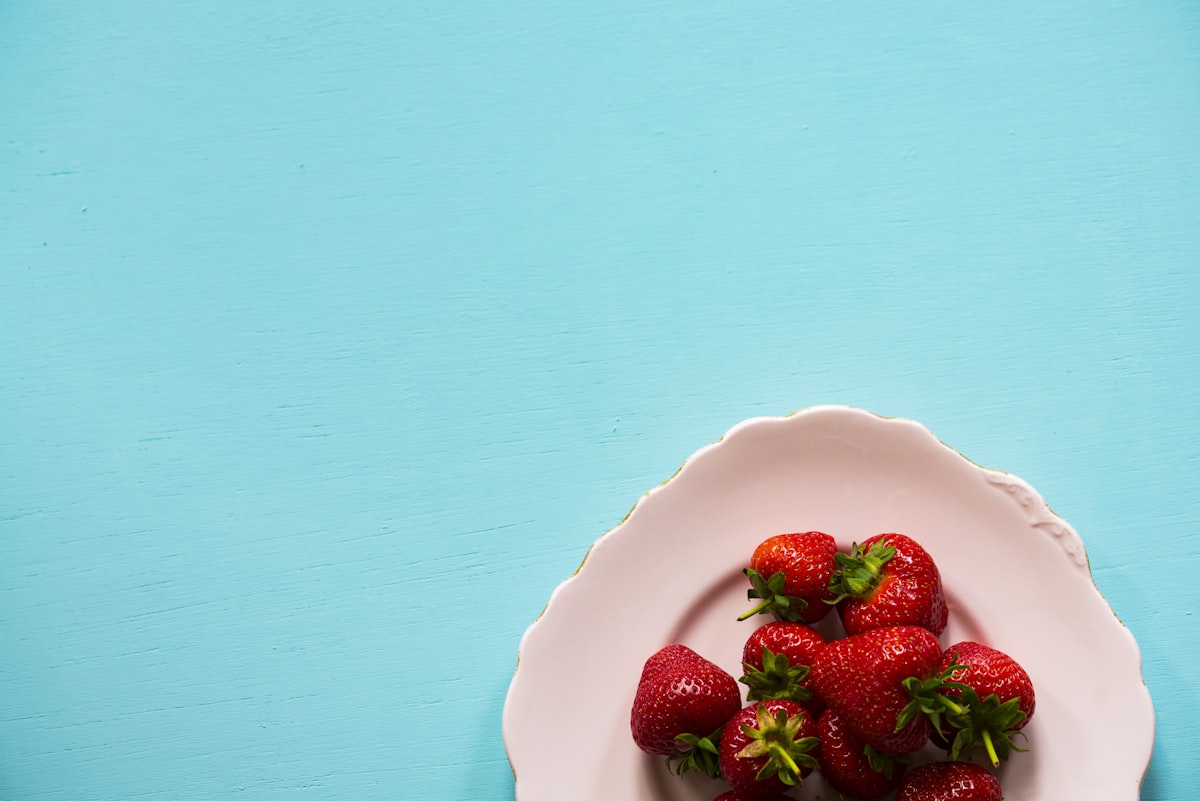
Blueberries, raspberries, blackberries, and strawberries are among the most antioxidant-dense foods on the planet, thanks to their extraordinary concentration of anthocyanins, quercetin, resveratrol, and vitamin C. These compounds work collectively to neutralise reactive oxygen species (ROS) — the free radicals generated both by normal metabolism and, in far greater quantities, by toxin exposure and inflammatory processes.
During periods of active detoxification, the liver generates significant oxidative stress as a byproduct of breaking down harmful compounds. The antioxidants in berries serve as a critical buffer against this cellular damage, protecting liver cells, neurons, and vascular tissue from oxidative injury. Berries are also prebiotic, nourishing the diverse gut microbiome communities that play a key role in metabolising and eliminating a wide range of environmental toxins.
Research: A study published in the Journal of Nutritional Biochemistry (Devore et al., 2012) found that higher intake of anthocyanins from berries was associated with significantly slower rates of cognitive decline and reduced neuroinflammatory markers in older adults, underscoring the systemic anti-inflammatory and neuroprotective power of regular berry consumption.
9. Avocados
Avocados are one of the most nutrient-dense fruits available, providing a unique combination of compounds that make them genuinely valuable for detoxification. Firstly, they are one of the best dietary sources of glutathione — often referred to as the body's master antioxidant. Glutathione is the primary molecule used by the liver in Phase II detoxification to conjugate and neutralise reactive intermediates, heavy metals, and toxic metabolites before they can cause cellular damage. Maintaining adequate glutathione levels is absolutely fundamental to effective detoxification.
Secondly, avocados provide abundant monounsaturated fats (primarily oleic acid), which support healthy hormone synthesis, enhance fat-soluble nutrient absorption, and contribute to the structural integrity of cell membranes. Their high potassium content also supports kidney function — the secondary organ of detoxification. The combination of glutathione and healthy fats makes avocado a uniquely complete detox food.
Research: A study published in Food & Chemical Toxicology (Kawaguchi-Suzuki et al., 2014) demonstrated that avocado consumption protected against chemical-induced liver damage in animal models, significantly reducing liver enzyme elevations and inflammatory markers, with the authors attributing the effect primarily to the glutathione content and unique lipid profile of avocado.
10. Artichokes
The globe artichoke is one of nature's most effective foods for supporting liver and gallbladder function. Its key active compound, cynarin, has been shown to stimulate bile production and bile flow — a process known as choleresis. Bile is not merely a digestive fluid; it is the liver's primary vehicle for excreting fat-soluble toxins, metabolised hormones, and cholesterol. Greater bile production means greater toxin excretion. Artichokes also contain silymarin — the same compound found in milk thistle — which is one of the most researched hepatoprotective agents in phytomedicine.
Beyond their liver-specific benefits, artichokes are rich in inulin — a prebiotic fibre that selectively feeds beneficial gut bacteria, particularly bifidobacteria, which contribute to the metabolism and excretion of numerous environmental toxins and hormone metabolites. They are also remarkably high in antioxidants, consistently ranking among the highest antioxidant vegetables tested.
Research: A systematic review published in Phytomedicine (Holtmann et al., 2003, "Efficacy of Artichoke Leaf Extract in the Treatment of Patients with Functional Dyspepsia and Liver Complaints") found that artichoke leaf extract significantly increased bile flow, reduced total cholesterol, and improved subjective markers of liver function in clinical trials — confirming the evidence base for artichoke as a premier hepatoprotective food.
Conclusion: Food as Your Most Powerful Detox Tool
The ten foods explored in this article are not exotic, expensive, or difficult to source. They are available in most supermarkets and markets across the UK, and many of them can be incorporated into meals you are already cooking. What makes them extraordinary is not any single compound in isolation, but the synergistic network of phytochemicals, antioxidants, minerals, and fatty acids they deliver collectively — a network that has been refined over millions of years of co-evolution between humans and plants.
Detoxification is not a weekend event or a juice fast lasting three days. It is a continuous, moment-to-moment biological process that your body performs relentlessly throughout your entire life. What you eat every day either supports or undermines that process. A daily diet rich in cruciferous vegetables, herbs like cilantro and garlic, antioxidant-dense fruits, and anti-inflammatory fats provides your liver, kidneys, and cells with the molecular tools they need to work optimally.
Equally important is the cumulative effect of these foods on systemic inflammation. As the research consistently demonstrates, reducing chronic inflammation and enhancing detoxification are not separate goals — they are two expressions of the same underlying biological state. When inflammation is reduced, detox pathways function more efficiently. When toxin clearance improves, inflammatory burden decreases. These ten foods operate precisely at that intersection.
Begin by adding two or three of these foods to your meals this week. Build gradually. Within 30 days of consistent, daily consumption, many people report improved energy, clearer skin, better digestion, and a noticeable reduction in brain fog — all hallmarks of a body whose detoxification systems are finally being properly supported. Your food choices are the most powerful lever you have for long-term health. Use it wisely.