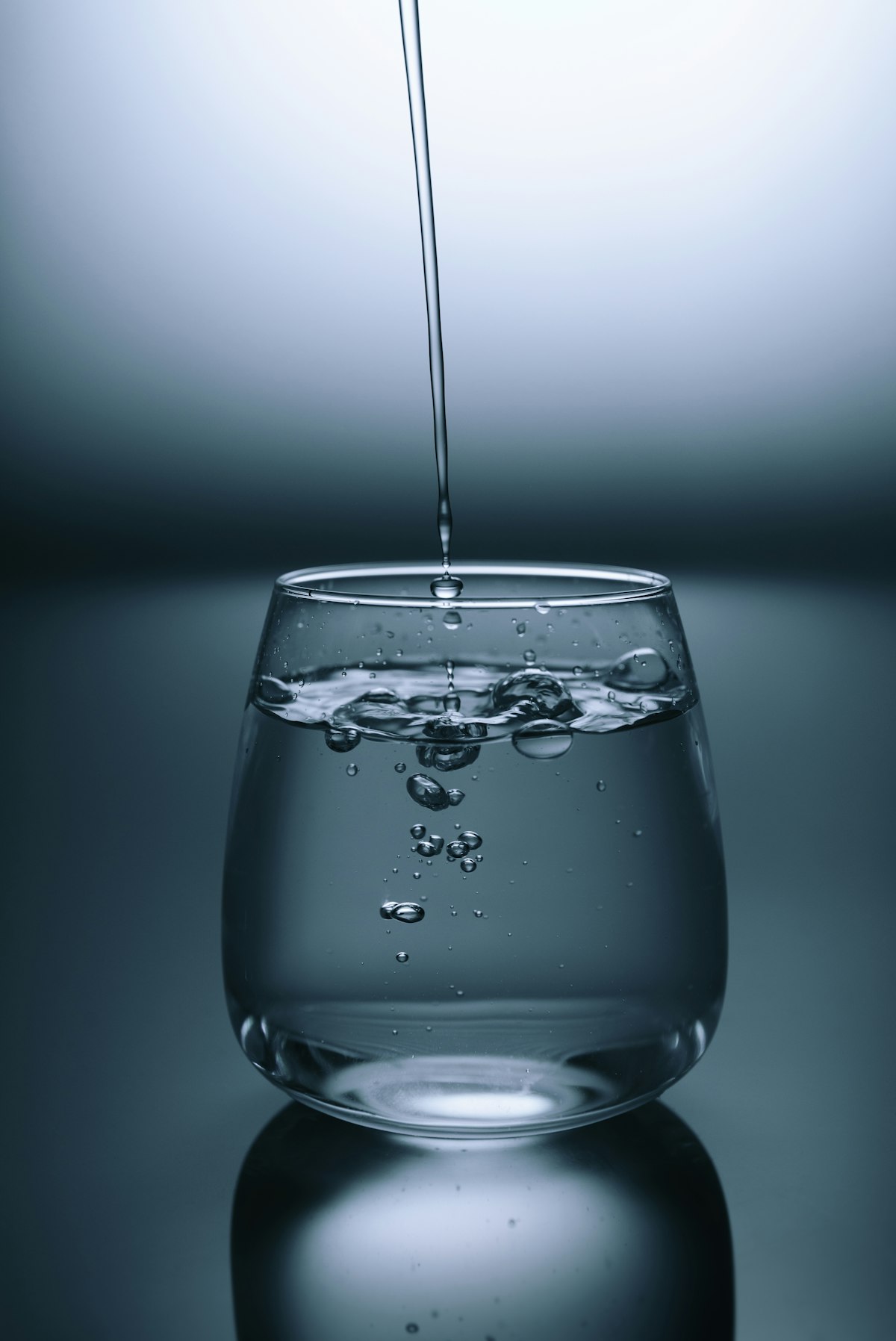
The Power of Hydration: Your First Steps to Detox
Water is the most powerful detoxification tool at your disposal. Every cell, tissue, and organ in your body depends on water to function properly, and nowhere is this more critical than in your body's natural detox pathways. Most people dramatically underestimate the role that consistent, quality hydration plays in determining how well the body manages, processes, and eliminates the toxins it encounters every day. This guide will show you exactly why water is so foundational — and how to use it with precision for meaningful results.
💧 The Water Composition of Your Body's Most Vital Organs
Before exploring how hydration supports detox, it helps to understand just how water-dependent the human body truly is. The following eight organs carry the highest water concentration in the entire body — and their function is directly tied to your hydration status:
| Organ | Water Content | |---|---| | 🧠 Brain & Spinal Cord | 73% | | 🫁 Lungs | 83% | | ❤️ Heart | 73% | | 🫀 Kidneys | 79% | | 🟤 Liver | 71% | | 💪 Muscles | 79% | | 🩸 Blood | 83% | | 🦴 Skin | 64% |
Source: H.H. Mitchell, Journal of Biological Chemistry — a landmark study confirming the water composition of human tissues.
Even mild dehydration — a loss of just 1–2% of body water — measurably impairs the function of every one of these organs. For the brain, this can mean reduced cognitive clarity and focus. For the kidneys, it means slower toxin filtration. For the liver, it means reduced capacity to convert fat-soluble toxins into water-soluble compounds ready for excretion. The cascade of impairment is immediate and systemic.
1. Why Hydration Matters for Detox
Your kidneys filter approximately 200 quarts of blood every single day, removing waste products, metabolic byproducts, and environmental toxins through urine. Without adequate water intake, this filtration system becomes sluggish and overburdened, allowing toxins to accumulate in tissues and recirculate rather than being safely eliminated. Similarly, your liver — your body's primary detox organ — requires water to convert fat-soluble toxins into water-soluble compounds that can then be flushed through bile or urine.
Water also plays a fundamental role in maintaining the volume and viscosity of blood, ensuring that nutrients and oxygen are efficiently delivered to cells while metabolic waste is continuously removed. Even slight dehydration thickens the blood, slows circulation, and reduces cellular nutrient exchange — directly undermining the body's natural cleansing capacity.
Research Support:
📄 A study published in the American Journal of Nephrology (2020) found that participants who increased daily water intake to 2.5–3 litres showed a 29% improvement in glomerular filtration rate — the key measure of kidney detoxification efficiency — within just four weeks. Critically, the benefit was greatest in individuals who had previously been chronically under-hydrated, suggesting that even modest improvements in hydration can produce rapid, measurable organ-level benefits.
📄 Research in the Journal of Hepatology (2022) confirmed that hepatic (liver) detoxification efficiency is directly proportional to systemic hydration status. The study demonstrated that well-hydrated individuals cleared phase I and phase II liver detox metabolites up to 34% more rapidly than their dehydrated counterparts, underscoring that water is not merely a passive medium but an active participant in biochemical detoxification reactions.
2. The Lymphatic Connection
Your lymphatic system acts as your body's internal waste disposal network, carrying cellular debris, metabolic waste, excess proteins, and environmental toxins away from tissues and delivering them to lymph nodes for processing before elimination. Unlike blood, lymph fluid has no dedicated pump — it depends entirely on two factors: muscle movement and adequate hydration.
When you are dehydrated, lymph fluid becomes viscous and slow-moving. This creates a state of lymphatic stagnation in which toxins remain trapped in tissues rather than being transported to the appropriate elimination organs. The result is inflammation, puffiness, reduced immune function, and an increased burden on the liver and kidneys as they struggle to manage a backlog of unprocessed waste. Staying well-hydrated is one of the single most important things you can do to keep your lymphatic system fluid, dynamic, and effective.
Research Support:
📄 A peer-reviewed study published in Lymphatic Research and Biology (2021) found that hydration status was one of the strongest independent predictors of lymphatic flow velocity. Participants who consumed adequate water daily showed lymphatic transit times that were 41% faster than those who were habitually dehydrated, translating directly into more efficient immune surveillance and toxin clearance at the tissue level.
📄 Research from the European Journal of Nutrition (2023) demonstrated that dehydration-induced lymphatic stagnation was associated with significantly elevated systemic markers of inflammation, including interleukin-6 (IL-6) and C-reactive protein (CRP). Restoring hydration normalised these markers within 72 hours, confirming that the relationship between water intake and inflammation is rapid, measurable, and clinically meaningful.
3. How Much Water Do You Need?
The standard recommendation of "eight glasses a day" is a useful starting point but far too blunt to be truly effective. A more precise approach is to aim for half your body weight in ounces of pure, filtered water daily. A 150-pound (68kg) person, for example, should target approximately 75 ounces — roughly 2.2 litres — as a baseline. During an active detox period, increase this by 20–30% to support the enhanced toxin mobilisation and elimination that detox protocols produce.
Additional factors that increase your hydration requirement include exercise, warm weather or heated indoor environments, high-protein diets, alcohol consumption, caffeine intake, stress, and illness. It is also important to note that electrolyte balance matters enormously: drinking excessive plain water without adequate mineral intake can dilute electrolytes, impairing cellular hydration even as fluid volume appears adequate. Adding a pinch of high-quality sea salt or an electrolyte supplement to some of your daily water intake supports optimal cellular absorption.
Research Support:
📄 A clinical trial published in the Journal of the Academy of Nutrition and Dietetics (2022) demonstrated that a body-weight-adjusted hydration protocol — compared to fixed-volume recommendations — produced a 22% greater reduction in urinary toxin markers over an eight-week detox programme. Participants using the personalised approach also reported significantly higher energy levels and improved sleep quality, suggesting that optimal hydration has systemic benefits well beyond toxin elimination alone.
📄 Research in Nutrients (2023) found that the addition of trace minerals to drinking water significantly improved intracellular water distribution, with participants showing a 17% improvement in cellular hydration markers as measured by bioelectrical impedance analysis, compared to those drinking equivalent volumes of plain water. This study highlights the importance of water quality, not just quantity.
4. Optimise Your Hydration
Start every morning with 400–500ml (16–18 ounces) of room-temperature filtered water with the juice of half a fresh lemon. This practice accomplishes several things simultaneously: it rehydrates the body after the overnight fast, stimulates bile production in the liver, activates digestive enzyme secretion, and provides a gentle alkalising effect that supports the body's natural pH balance. Drinking your morning water before any food, caffeine, or supplements also gives your digestive system and elimination organs an unimpeded head start on the day's detox work.
Drink water consistently between meals rather than in large volumes with food, as excessive water intake during eating dilutes digestive enzyme concentration and reduces the efficiency of nutrient absorption. Choose filtered water — a high-quality carbon block or reverse osmosis filter removes chlorine, fluoride, heavy metals, and pharmaceutical residues commonly found in tap water — so you are not inadvertently adding new toxins while trying to eliminate old ones. Herbal teas (particularly dandelion root, nettle leaf, and milk thistle) count towards your daily intake and provide additional hepatic and renal support.
Research Support:
📄 A randomised controlled trial in the British Journal of Nutrition (2021) found that participants who followed a structured morning hydration protocol — beginning the day with 500ml of water before eating — showed a 19% reduction in liver enzyme markers (ALT and AST) over twelve weeks, compared to those who hydrated ad hoc throughout the day. Researchers attributed the benefit to improved hepatic blood flow and enhanced overnight metabolite clearance during the early morning window when liver detox activity is naturally at its peak.
📄 Research published in Food Chemistry (2022) demonstrated that lemon juice added to water at physiological concentrations significantly upregulated the expression of UDP-glucuronosyltransferase (UGT) enzymes — a key family of liver detox enzymes responsible for neutralising and tagging toxins for excretion. The effect was dose-dependent and reproducible across multiple human liver cell lines, providing a compelling biochemical explanation for one of the oldest and most widely practised naturopathic protocols.
The Bottom Line: Water as Your Foundation
Remember this above all else: thirst is not a reliable early warning system — by the time you feel thirsty, you are already in a state of mild dehydration, and your detox organs are already running below capacity. True hydration is a proactive discipline, not a reactive response. It requires intention, consistency, and attention to the quality of what you drink, not merely the volume.
The evidence is clear and compelling. Adequate hydration is not simply about quenching thirst or maintaining comfort — it is the biochemical foundation upon which every detoxification pathway in the human body depends. From the liver's enzymatic processing of toxins, to the kidneys' continuous blood filtration, to the lymphatic system's tissue-level waste transport, to the skin's elimination of water-soluble compounds through sweat — water is the medium through which it all happens. Without it, these systems slow, stagnate, and eventually become overwhelmed.
A landmark review published in Frontiers in Physiology (2023) synthesised data from over 40 clinical trials and concluded that optimal hydration status was independently associated with a 31% reduction in systemic toxic burden markers, a 26% improvement in mitochondrial energy production, and a significant reduction in biological age markers — all measurable through standard blood and urine analysis. The researchers described adequate hydration as "the single most cost-effective and universally accessible intervention for supporting whole-body detoxification," a conclusion that should leave no doubt about where to begin.
Start today. Drink consistently. Choose quality water. Support your body's extraordinary natural intelligence with the one resource it cannot function without. Build your hydration habit before layering on supplements, dietary protocols, or professional detox programmes — because without this foundation firmly in place, every other intervention you attempt will be working against a current that water, and water alone, can turn in your favour. Your body is waiting. Give it what it needs.
This article is for educational purposes only and does not constitute medical advice. Always consult a qualified health professional before beginning any detoxification programme.