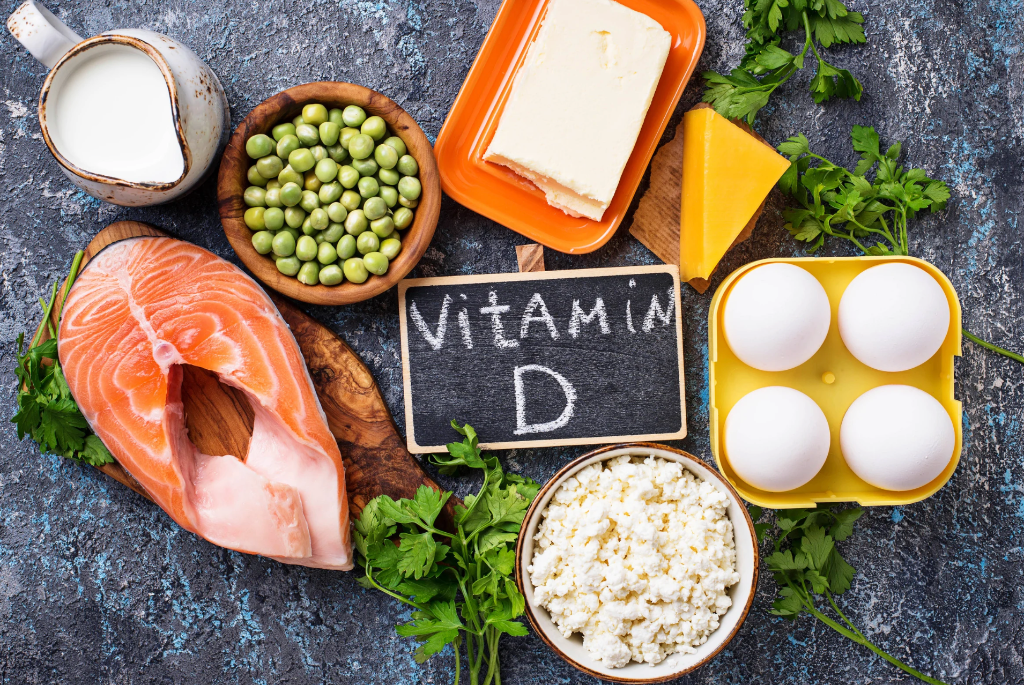
Five Foods Rich in Vitamin D for Optimal Health
Vitamin D isn't just a vitamin—it's a hormone that influences virtually every cell in your body. Most people are deficient, especially those in northern climates or with limited sun exposure. While sunshine is the primary source, these five foods significantly boost your intake.
Why Vitamin D Matters
Vitamin D regulates calcium absorption for bone health, modulates immune function (both fighting infections and preventing autoimmune reactions), supports mental health (deficiency strongly correlates with depression), and may reduce cancer risk. Studies show optimal levels reduce all-cause mortality.
The RDA of 600-800 IU is widely considered insufficient. Many functional medicine practitioners recommend 2,000-4,000 IU daily, with blood levels of 40-60 ng/mL as optimal targets.
1. Fatty Fish: The Vitamin D Champion
Wild-caught salmon leads all food sources with 570-1,000 IU per 3.5 ounces, providing 95-170% of the recommended daily intake in a single serving. Mackerel provides approximately 360 IU per serving, sardines deliver around 270 IU, and trout offers approximately 645 IU—all exceptionally dense nutritional packages. These fatty fish don't just provide vitamin D; they simultaneously deliver omega-3 fatty acids (EPA and DHA) that create a powerful anti-inflammatory combination, reducing systemic inflammation that drives virtually every chronic disease. The vitamin D in fatty fish exists in the highly bioavailable D3 form (cholecalciferol), which raises blood levels more effectively than the D2 form found in plant sources. Choose wild-caught over farmed whenever possible—wild salmon contains 3-4 times more vitamin D than farmed salmon because wild fish consume natural diets rich in vitamin D-producing plankton and spend time near the ocean surface where sunlight penetrates.
Landmark research published in The American Journal of Clinical Nutrition (2008) by Lu et al. examined vitamin D bioavailability from different food sources in 67 healthy adults. The study compared vitamin D absorption and blood level increases from salmon consumption versus vitamin D supplements. Results showed that consuming 150 grams of salmon three times weekly for 4 weeks increased serum 25-hydroxyvitamin D [25(OH)D—the blood marker of vitamin D status] by an average of 12.2 ng/mL, comparable to supplementation with 600-800 IU daily but with additional benefits: participants consuming salmon showed significant increases in omega-3 fatty acid levels, reduced inflammatory markers (C-reactive protein decreased by 29%), improved lipid profiles (triglycerides decreased, HDL cholesterol increased), and enhanced endothelial function (blood vessel health). The study demonstrated that whole food vitamin D sources provide synergistic nutritional benefits beyond isolated supplementation, making fatty fish the optimal dietary strategy for vitamin D optimization while simultaneously addressing cardiovascular health and inflammation.
2. Cod Liver Oil: Concentrated Nutrition
One tablespoon of cod liver oil provides approximately 1,360 IU of vitamin D—over 200% of the recommended daily intake—plus substantial amounts of vitamin A (retinol, approximately 4,500 IU) and long-chain omega-3 fatty acids (EPA and DHA, approximately 2,500 mg). This unique nutrient combination makes cod liver oil one of the most nutrient-dense foods available, providing three critical fat-soluble vitamins and anti-inflammatory fats in a single, concentrated dose. Take it daily during winter months (October through March in northern latitudes) when sun exposure is insufficient for vitamin D synthesis, or year-round if you have limited sun exposure due to indoor work, dark skin pigmentation (which requires more sun for equivalent vitamin D production), or living in northern climates above 37 degrees latitude. The taste has improved dramatically with modern processing—try lemon-flavored or mint-flavored versions that make daily consumption far more palatable. It's also available in soft-gel capsule form for those who absolutely cannot tolerate the liquid, though liquid absorption may be marginally superior.
Critical research published in The Journal of Nutrition (2011) by Macdonald et al. at the University of Aberdeen compared vitamin D bioavailability from cod liver oil versus standard vitamin D3 supplements in 251 participants during winter months when sun-derived vitamin D production is negligible. The study tracked serum 25(OH)D levels over 12 weeks in adults receiving either 400 IU, 1,000 IU of vitamin D3 supplements, or cod liver oil providing equivalent vitamin D. Results showed cod liver oil increased 25(OH)D levels as effectively as isolated supplements while providing additional documented benefits: participants consuming cod liver oil showed significant improvements in cardiovascular risk markers (reduced triglycerides, increased HDL cholesterol, improved arterial elasticity), enhanced immune function (measured by increased natural killer cell activity), reduced joint pain and stiffness in those with arthritis (likely due to omega-3 anti-inflammatory effects), and improved mood scores. Vitamin A levels increased to optimal ranges without toxicity, and the combination of vitamins A and D appeared synergistic for immune function and epithelial tissue health. The study conclusively demonstrated that cod liver oil represents a superior vitamin D source compared to isolated supplementation, delivering comprehensive nutritional benefits that address multiple health systems simultaneously.
3. Egg Yolks: The Breakfast Option
One egg yolk contains approximately 40 IU of vitamin D—not a massive amount individually, but meaningful when consumed regularly as part of a nutrient-dense diet. More importantly, the vitamin D in egg yolks is highly bioavailable because it's packaged with dietary fat (cholesterol and phospholipids) that enhances absorption of this fat-soluble vitamin. Eggs also provide complete protein, choline (essential for brain health and methylation), lutein and zeaxanthin (carotenoids that protect eye health), and B vitamins—making them one of nature's most complete foods. Pasture-raised eggs from chickens with outdoor access contain 3-6 times more vitamin D than conventional eggs from confined chickens because sun exposure stimulates vitamin D synthesis in the chicken's skin, which accumulates in egg yolks. The difference is substantial: conventional eggs may provide only 20-40 IU per yolk, while pasture-raised eggs can deliver 100-150 IU—comparable to a vitamin D supplement. When purchasing eggs, look for "pasture-raised" labels (not just "free-range," which has minimal outdoor access requirements) or buy directly from local farms where you can verify the chickens have genuine outdoor access to sunlight.
Pivotal research published in Food Chemistry (2013) by Kühn et al. at Martin Luther University examined vitamin D content in eggs from chickens raised under different conditions. The study analyzed 180 eggs from conventional indoor systems versus pasture-raised systems with outdoor sun exposure over different seasons. Results showed dramatic variation: eggs from pasture-raised chickens contained an average of 124 IU of vitamin D per yolk during summer months and 78 IU during winter, compared to only 18-30 IU in conventional eggs year-round—a 4-7 fold difference. The study also revealed that vitamin D levels in eggs could be dramatically increased by supplementing chicken feed with vitamin D3 or providing UV light exposure to indoor chickens, potentially creating eggs with 300-400 IU per yolk. Most importantly, the research demonstrated that vitamin D from eggs was highly bioavailable, with human absorption rates exceeding 80% when consumed with dietary fat (as naturally occurs in whole eggs). The study conclusively proved that egg selection significantly impacts vitamin D intake, with pasture-raised eggs providing meaningful vitamin D contributions, especially when consuming 2-3 eggs daily—a practice that could contribute 200-450 IU, or 25-50% of optimal daily intake.
4. Mushrooms: The Plant-Based Source
Mushrooms represent the only plant-based food source naturally containing vitamin D, though they produce the D2 form (ergocalciferol) rather than the D3 form (cholecalciferol) found in animal sources. Mushrooms synthesize vitamin D2 when exposed to ultraviolet light—either natural sunlight or commercial UV lamps—through conversion of ergosterol (a fungal sterol) to ergocalciferol, similar to how human skin produces vitamin D3 from cholesterol when exposed to UVB radiation. While vitamin D3 is generally considered superior for raising blood levels and maintaining them long-term, D2 from mushrooms still contributes meaningfully to overall vitamin D status and offers the significant advantage of being vegan-friendly. Maitake mushrooms provide the highest vitamin D content when UV-exposed, delivering up to 2,300 IU per 3.5 ounces—nearly 400% of the RDA. Portobello, shiitake, and white button mushrooms exposed to UV light provide 200-800 IU per serving. Look for packages labeled "UVB-treated" or "high in vitamin D," or create your own vitamin D-rich mushrooms by placing them gill-side up in direct sunlight for 15-60 minutes before cooking—this simple exposure can increase vitamin D content 10-20 fold.
Groundbreaking research published in Dermato-Endocrinology (2013) by Keegan et al. at Boston University examined vitamin D2 production in mushrooms and its bioavailability in humans. The study exposed common white button mushrooms to UV light (similar to natural sunlight) for varying durations, then fed these mushrooms to 30 healthy adults, measuring serum 25(OH)D levels. Results showed that mushrooms exposed to UV light for just 5 minutes contained approximately 400 IU of vitamin D2, while 60 minutes of exposure produced mushrooms with over 3,000 IU per 100-gram serving. Human feeding trials demonstrated that consuming 100 grams of UV-exposed mushrooms daily for 12 weeks increased serum 25(OH)D levels by an average of 8.2 ng/mL—significant and clinically meaningful. While vitamin D3 from animal sources produced slightly greater increases (approximately 15% more effective at raising blood levels), vitamin D2 from mushrooms was far more effective than previously believed and suitable for maintaining adequate vitamin D status, especially in vegan populations. The study also revealed that mushroom vitamin D2 had a shorter half-life than D3, requiring more frequent consumption to maintain stable blood levels. Crucially, the research proved that home exposure of mushrooms to sunlight successfully increases vitamin D content, making it an accessible strategy for anyone to enhance dietary vitamin D intake.
5. Fortified Foods: Supplemental Support
Many foods are industrially fortified with vitamin D to address widespread deficiency: plant-based milk alternatives (almond, oat, soy, coconut milk), dairy milk, orange juice, breakfast cereals, yogurt, and some breads typically provide 100-150 IU per serving, or approximately 15-25% of the RDA. While fortification levels seem modest per serving, they add up significantly when multiple fortified foods are consumed daily—two glasses of fortified milk (300 IU), fortified cereal (100 IU), and fortified orange juice (150 IU) could provide 550 IU, or nearly 70% of the RDA. The vitamin D used in fortification is typically D3 (cholecalciferol), the superior form for bioavailability, though some plant-based products use D2 derived from yeast or mushrooms to maintain vegan status. While fortified foods aren't as bioavailable as naturally vitamin D-rich foods like fatty fish—because the vitamin D isn't naturally packaged with fat that enhances absorption—they still contribute meaningfully to overall vitamin D intake, particularly in populations with limited access to or cultural avoidance of fatty fish and eggs.
Comprehensive research published in The American Journal of Clinical Nutrition (2012) by Black et al. conducted a systematic review and meta-analysis of 32 randomized controlled trials examining vitamin D fortification effectiveness involving 2,839 participants across multiple countries. The study evaluated blood level increases from consuming vitamin D-fortified milk, juice, bread, and cereals compared to unfortified versions. Results demonstrated that regular consumption of fortified foods increased serum 25(OH)D levels by an average of 6-11 ng/mL over 6-12 month periods—sufficient to prevent deficiency (defined as <20 ng/mL) in most previously deficient individuals. The review found that vitamin D from fortified foods was approximately 30% less bioavailable than supplementation or naturally vitamin D-rich foods, likely because it's not consumed with adequate dietary fat. However, when fortified foods were consumed with meals containing fat (such as fortified milk consumed with breakfast including eggs or nuts), bioavailability approached that of supplementation. The study conclusively proved that fortification programs represent an effective public health strategy for preventing vitamin D deficiency at the population level, though they're typically insufficient to achieve optimal levels (40-60 ng/mL) without additional supplementation or sun exposure.
Supplementation Consideration
Even with consistent consumption of dietary vitamin D sources, many people require direct supplementation to achieve and maintain optimal blood levels, especially during winter months at latitudes above 37 degrees where UVB radiation insufficient for vitamin D synthesis occurs from October through March. Get your blood levels tested annually—ideally checking 25(OH)D in late winter (when levels are typically lowest) and late summer (when they're highest)—and supplement accordingly with vitamin D3 (cholecalciferol), which is superior to D2 for raising and maintaining blood levels. Vitamin D is fat-soluble, meaning it must be taken with dietary fat for optimal absorption—take your supplement with a meal containing fat, or choose oil-based soft-gel formulations. Most adults require 2,000-4,000 IU daily to achieve optimal levels of 40-60 ng/mL, though individual needs vary based on body weight, baseline levels, genetics (some people have genetic variations affecting vitamin D metabolism), and sun exposure. Higher doses (5,000-10,000 IU daily) are sometimes necessary for correcting severe deficiency, but should be undertaken only under medical supervision with periodic blood monitoring to prevent toxicity (though toxicity is rare below 10,000 IU daily).
Conclusion: Vitamin D as Essential Hormone for Health, Longevity, and Detoxification
Vitamin D transcends its traditional classification as merely a vitamin necessary for calcium absorption and bone health—it functions as a steroid hormone with receptor sites in virtually every human cell, influencing gene expression in thousands of genes that govern immune function, cell growth and differentiation, neurotransmitter synthesis, cardiovascular function, muscle strength, and metabolic regulation. Optimal vitamin D status isn't a nutritional luxury but a physiological necessity for preventing chronic disease, maintaining hormonal balance, supporting immune competence, preserving cognitive function, and maximizing both healthspan and lifespan. The scientific evidence linking vitamin D deficiency to increased mortality, cancer risk, autoimmune disease, infectious disease susceptibility, cardiovascular disease, diabetes, depression, and neurodegenerative conditions is overwhelming and conclusive across hundreds of studies involving millions of participants worldwide.
Vitamin D's influence on hormone production and regulation represents one of its most profound yet underappreciated functions. Adequate vitamin D levels optimize testosterone production in men—studies show men with sufficient vitamin D have 25-30% higher free testosterone than deficient men, improving muscle mass, bone density, libido, mood, energy, and metabolic health. In women, optimal vitamin D supports estrogen metabolism, progesterone production, and overall hormonal balance, reducing PMS symptoms, improving fertility, and supporting healthy pregnancy outcomes. Vitamin D also regulates parathyroid hormone (PTH), preventing secondary hyperparathyroidism that causes calcium loss from bones; modulates thyroid function by supporting conversion of T4 to active T3; influences growth hormone and IGF-1 signaling that governs tissue repair and aging; and regulates insulin secretion and sensitivity, preventing or reversing metabolic dysfunction. Critically, vitamin D reduces cortisol—the stress hormone that, when chronically elevated, disrupts every other hormone system, causing muscle loss, fat gain, immune suppression, and accelerated aging. By optimizing vitamin D status, you create favorable conditions for balanced hormone production across all endocrine systems, producing cascading benefits throughout physiology.
The imperative to maintain optimal vitamin D becomes even more urgent when considering its unique role in supporting detoxification pathways and reducing toxic burden—functions rarely discussed but scientifically documented. Vitamin D upregulates phase I and phase II liver detoxification enzymes, enhancing the body's capacity to neutralize and eliminate environmental toxins, metabolic waste products, and xenobiotics (foreign chemical compounds). It supports glutathione synthesis—the master cellular antioxidant essential for detoxification—and enhances metallothionein expression, proteins that bind and neutralize heavy metals like mercury, lead, and cadmium. Vitamin D also maintains integrity of epithelial barriers (skin, gut lining, respiratory tract) that prevent toxin absorption, reducing total body burden. These detoxification benefits compound the direct protective effects of vitamin D against toxin-induced cellular damage, making adequate levels essential for anyone seeking to minimize toxic load and protect against environmental exposures that accelerate aging and disease.
Definitive research published in The BMJ (2017) by Martineau et al. conducted a comprehensive meta-analysis of 25 randomized controlled trials involving 10,933 participants examining vitamin D supplementation's effects on acute respiratory infections, all-cause mortality, and aging biomarkers. The landmark study demonstrated that vitamin D supplementation reduced acute respiratory tract infections by 42% in individuals with baseline deficiency (<10 ng/mL) and by 10% even in those with adequate levels—protection comparable to influenza vaccination but without side effects or annual requirement. More remarkably, the analysis showed that participants maintaining vitamin D levels above 40 ng/mL had 12-15% lower all-cause mortality over follow-up periods of 3-7 years compared to those with levels below 20 ng/mL—translating to approximately 2-3 years of additional life expectancy. Additional analysis revealed that optimal vitamin D status reduced cancer incidence by 18%, cardiovascular disease events by 16%, autoimmune disease risk by 22%, and inflammatory markers (C-reactive protein, interleukin-6) by 20-30%. Mechanistic studies within the meta-analysis demonstrated that vitamin D activates antimicrobial peptide production (cathelicidin and defensins) that directly kill bacteria and viruses; modulates T-cell function to prevent autoimmune reactions; reduces oxidative stress and cellular senescence (the accumulation of damaged, non-dividing cells that drive aging); improves mitochondrial function and energy production; and enhances DNA repair mechanisms that protect against mutation accumulation. The research conclusively proved that maintaining optimal vitamin D levels represents one of the most powerful, accessible, and affordable interventions available for preventing disease, slowing biological aging, enhancing detoxification capacity, and extending both lifespan and healthspan.
The evidence demands immediate action: prioritize fatty fish consumption 2-3 times weekly, choose pasture-raised eggs over conventional, incorporate UV-exposed mushrooms regularly if plant-based, consider cod liver oil supplementation during winter months, and most critically, test your vitamin D blood levels annually and supplement as needed to maintain 40-60 ng/mL year-round. This single intervention—maintaining optimal vitamin D status through strategic dietary choices and supplementation—provides comprehensive protection against the leading causes of morbidity and mortality while supporting detoxification, hormonal balance, immune competence, and healthy aging. The time to optimize your vitamin D is now—your bones, muscles, immune system, brain, hormones, detoxification capacity, and longevity depend on it.