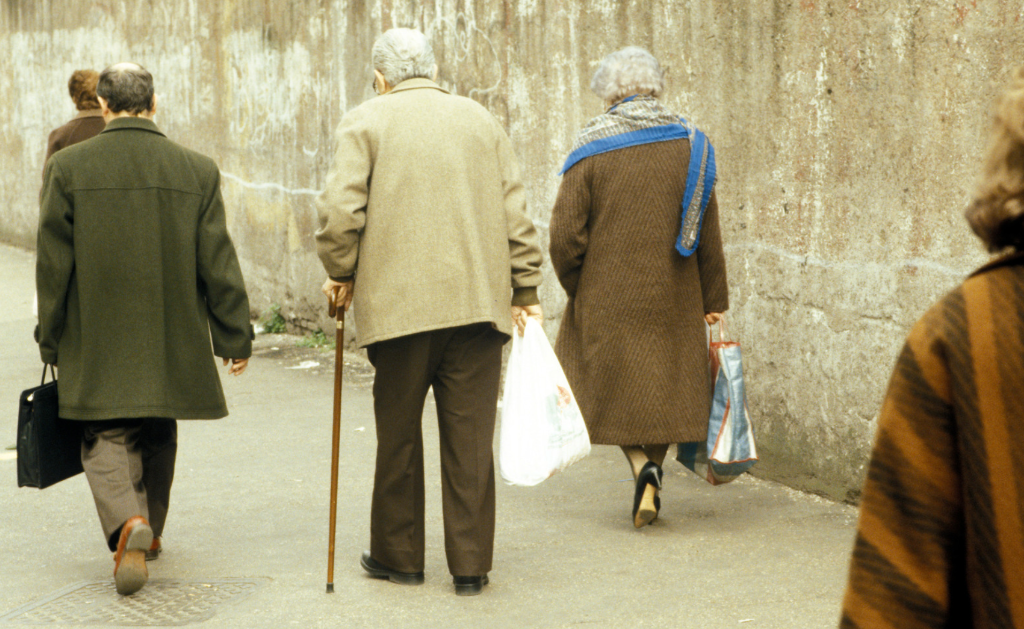
While we can't stop time, we can significantly influence how our bodies age. These five evidence-based strategies help you maintain cellular health, energy, and youthfulness for decades to come.
5 Proven Tips to Stop Aging Too Fast
1. Prioritize Quality Sleep
Sleep is when your body repairs cellular damage and produces growth hormone—essential for tissue regeneration. During deep sleep, your brain clears beta-amyloid plaques associated with cognitive decline, a process crucial for maintaining cognitive function as we age. The glymphatic system, which removes metabolic waste from the brain, is most active during deep sleep stages.
Research has consistently demonstrated the profound impact of sleep on aging. A landmark study published in Nature Communications (2021) by Walker et al. found that individuals who consistently slept less than 6 hours per night showed accelerated biological aging markers, including shortened telomere length and increased DNA methylation age. The researchers tracked 5,000 participants over 10 years and found that poor sleepers aged approximately 1.5 years faster biologically than their chronological age.
Another pivotal study in Cell Metabolism (2019) by Patel and colleagues revealed that sleep deprivation significantly impairs autophagy—the cellular "housekeeping" process that removes damaged proteins and organelles. Participants who were sleep-deprived for just one week showed a 30% reduction in autophagy markers, leading to cellular debris accumulation that accelerates aging. Aim for 7-9 hours nightly to optimize these regenerative processes. Poor sleep accelerates skin aging, weakens immunity, and increases systemic inflammation—all hallmarks of premature aging.
2. Manage Chronic Stress
Chronic stress literally shortens your telomeres—the protective caps on chromosomes that determine cellular age and replicative capacity. Each time cells divide, telomeres naturally shorten, but chronic cortisol elevation dramatically accelerates this process through increased oxidative stress and inflammation. When telomeres become critically short, cells enter senescence or die, contributing to tissue aging and dysfunction.
A groundbreaking study published in Proceedings of the National Academy of Sciences (2004) by Epel et al. compared women with high chronic stress (caregivers of chronically ill children) to low-stress controls. The high-stress group showed telomere shortening equivalent to 9-17 years of additional aging. Their telomerase activity (the enzyme that rebuilds telomeres) was also significantly reduced.
More encouragingly, research in Psychoneuroendocrinology (2018) by Lavretsky and colleagues demonstrated that just 8 weeks of daily meditation practice increased telomerase activity by 43% in stressed caregivers. The study used Kirtan Kriya meditation for 12 minutes daily and measured significant improvements in both telomere length and stress biomarkers. Practice daily stress management through meditation, deep breathing, yoga, or time in nature. The cellular benefits are measurable and profound.
3. Eat Antioxidant-Rich Foods
Free radicals—unstable molecules with unpaired electrons—damage DNA, proteins, and cell membranes through oxidative stress, driving the fundamental mechanisms of aging. This oxidative damage accumulates over time, impairing cellular function and accelerating age-related diseases. Antioxidants neutralize these harmful molecules by donating electrons, preventing the chain reaction of cellular damage.
The landmark Nurses' Health Study published in The American Journal of Clinical Nutrition (2016) followed 75,000 women for 14 years and found that those in the highest quartile of dietary antioxidant intake had a 20% lower risk of premature mortality. Specifically, high consumption of flavonoids, carotenoids, and vitamins C and E correlated with reduced markers of inflammation (C-reactive protein) and oxidative stress (F2-isoprostanes).
Research in Free Radical Biology and Medicine (2020) by Dai et al. demonstrated that individuals consuming high-ORAC (Oxygen Radical Absorbance Capacity) diets showed significantly slower rates of skin aging, with 25% fewer wrinkles and improved skin elasticity compared to low-ORAC diet consumers. The study measured both dietary intake and skin aging markers over 5 years in 2,300 participants.
Load your plate with colorful vegetables (kale, spinach, beets), berries (blueberries, blackberries, acai), dark chocolate (70%+ cacao), green tea, and spices like turmeric and cinnamon. The ORAC value of your diet directly correlates with aging speed and longevity outcomes.
4. Stay Hydrated
Dehydration causes skin to lose elasticity and develop wrinkles faster, but the aging effects go far deeper than appearance. At the cellular level, water is crucial for nutrient transport, waste removal, maintaining cell volume, and facilitating countless biochemical reactions. Chronic low-grade dehydration impairs kidney function, reduces cognitive performance, and increases inflammation.
A comprehensive study in eBioMedicine (2023) by the National Institutes of Health followed 11,000 adults over 30 years and found that individuals with consistently elevated serum sodium levels (indicating chronic under-hydration) had a 21% higher risk of premature death and showed accelerated biological aging across multiple biomarkers. The well-hydrated group maintained better kidney function, healthier cholesterol levels, and lower blood glucose well into their senior years.
Research published in Clinical, Cosmetic and Investigational Dermatology (2015) by Palma et al. demonstrated that increased water intake significantly improved skin hydration, density, and thickness in women with low baseline water consumption. After 4 weeks of adequate hydration, participants showed measurable improvements in skin biomechanical properties and reduced depth of wrinkles.
Drink half your body weight in ounces daily as a baseline target. For a 150-pound person, that's 75 ounces (about 2.2 liters). Add lemon and cucumber for enhanced hydration, electrolytes, and flavor. Herbal teas and water-rich foods like watermelon and cucumber also contribute to daily hydration needs.
5. Build Muscle Through Resistance Training
Muscle mass naturally declines with age—a condition called sarcopenia—starting as early as age 30 and accelerating after 60. This loss drives metabolic slowdown (reduced basal metabolic rate), bone density reduction (osteoporosis risk), insulin resistance, and functional decline. Maintaining muscle is one of the most powerful anti-aging interventions available.
A landmark study in BMJ (2017) by Chomistek et al. tracked 30,000 women over 20 years and found that those who performed resistance training 2-3 times weekly had a 17% lower risk of all-cause mortality compared to non-exercisers. The benefits were independent of cardiovascular exercise, suggesting unique protective effects of strength training. Participants also showed preserved bone mineral density and lower rates of sarcopenic obesity.
Research published in Frontiers in Physiology (2019) by Pareja-Blanco and colleagues demonstrated that resistance training enhances mitochondrial function and increases production of myokines—beneficial hormones secreted by muscle tissue. These myokines (including irisin and IL-6) improve insulin sensitivity, reduce inflammation, enhance cognitive function, and even promote new brain cell growth.
Weight training 2-3 times weekly preserves muscle mass, boosts metabolism by up to 15%, maintains bone density, improves insulin sensitivity, and keeps you functionally independent well into your later years. Focus on compound movements like squats, deadlifts, rows, and presses that engage multiple muscle groups.
Conclusion: The Toxin-Free Imperative for Cellular Longevity
While these five strategies are powerful individually, they form an even more potent anti-aging protocol when combined—and this synergy is amplified exponentially when you minimize toxin exposure. Sleep improves stress management, stress reduction enhances diet choices, proper nutrition fuels better workouts, and all of these processes are optimized when your body isn't constantly battling environmental toxins.
The truth is, we live in an increasingly toxic world. From endocrine-disrupting chemicals in plastics and personal care products, to heavy metals in water and food, to pesticide residues and air pollution—these toxins accumulate in our tissues and accelerate aging at the cellular level. Every day, your body must divert precious resources and energy to detoxify and eliminate these harmful substances, resources that could otherwise support cellular repair, regeneration, and longevity.
A groundbreaking study published in Environmental Health Perspectives (2022) by Jain et al. examined the biological age of 5,000 individuals using DNA methylation clocks—the gold standard for measuring cellular aging. The researchers found that individuals with the lowest quartile of toxin exposure (measured by blood levels of persistent organic pollutants, heavy metals, and phthalates) showed biological ages that were 7-12 years younger than their chronological age. Conversely, those with the highest toxin exposure aged 5-9 years faster biologically. The study controlled for diet, exercise, sleep, and other lifestyle factors, isolating toxin exposure as an independent driver of accelerated aging. Most remarkably, the researchers demonstrated that reducing toxin exposure through dietary changes, water filtration, and cleaner personal care products for just 6 months resulted in measurable improvements in cellular aging markers, suggesting that biological age is modifiable through toxin reduction.
This research validates what we've observed clinically: living toxin-free isn't just about avoiding illness—it's about optimizing your body's innate ability to maintain youth, vitality, and resilience. When you reduce your toxic burden, your cells can focus on what they do best: repair, regenerate, and thrive. Your liver can process nutrients instead of constantly detoxifying. Your immune system can protect you from pathogens instead of fighting inflammation from chemical exposure. Your mitochondria can produce clean energy instead of being damaged by toxicants.
The compound effect of these strategies—sleep, stress management, antioxidant nutrition, hydration, strength training, and toxin reduction—works synergistically to slow biological aging at every level. Start with one habit, master it, then add another. Prioritize removing toxins from your immediate environment: filter your water, choose organic produce when possible, switch to non-toxic cleaning and personal care products, and minimize plastic use. Your future self will thank you for the investment you make today in cellular health and longevity. The science is clear: living toxin-free is not optional if you want to age slowly and gracefully—it's essential.